Articles
Thoughts on stories, maths, creativity, confidence and the ideas that shape us.
This is where Adam shares articles, notes and reflections on the world behind Mathatar: storytelling, education, confidence, history, mathematics, creativity and the long human journey of making sense of things.
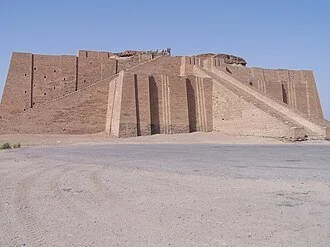
The ancient civilisation we don’t talk about
Ur, the Ziggurat and the most important ancient site you’ve never heard about!
Resilience, Tactical Retreats and the Ideas That Won’t Leave You Alone
Resilience. Such an important word.
To me, it means not giving up. Enduring. Keeping going when the odds are against you.
It can be a superpower if you learn how to harness it. Many people give up too quickly. They walk away just before something begins to turn. They mistake difficulty for failure, or delay for defeat.
But there is another side to resilience that does not get talked about enough.
A tactical retreat is not the same as giving up.
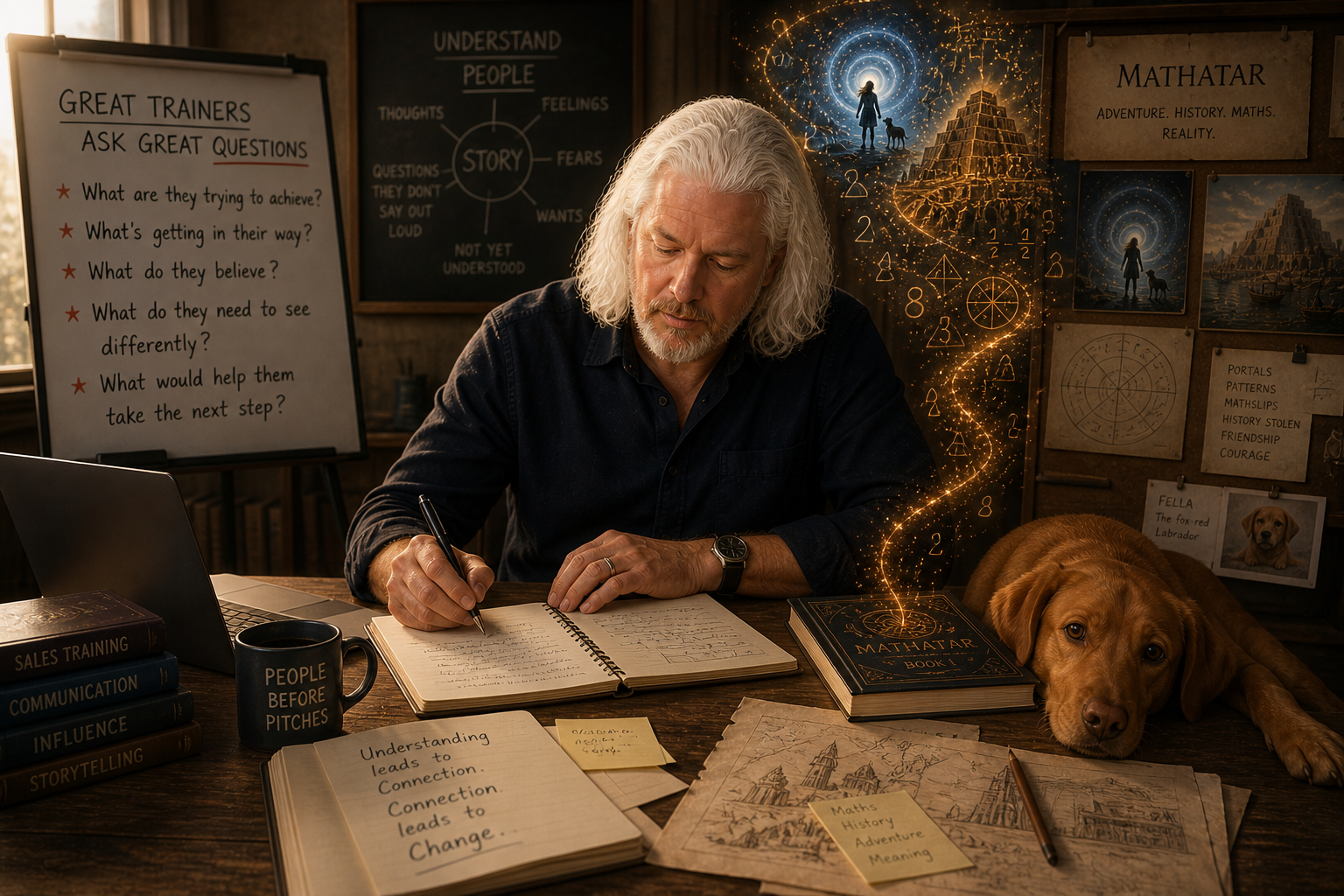
From Sales Trainer to Children’s Author: What Storytelling Taught Me
From Sales Trainer to Children’s Author: What Storytelling Taught Me
I never expected to write a children’s adventure series about maths.
For most of my working life, I have been in sales, communication and training. I have stood in front of rooms full of adults talking about confidence, behaviour, listening, questioning, resilience and how to understand what people really want.
So, on the surface, moving from sales training to a story about portals, ancient Ur, mathematical distortions, reality slipping out of place and a fox-red Labrador called Fella might seem like a strange leap.
But the more I wrote Mathatar, the more I realised it was not such a leap after all.
Because underneath the adventure, underneath the history, underneath the fantasy, Mathatar is about something I have cared about for years.
How people think.
How people learn.
How people lose confidence.
And how the right question can change everything.
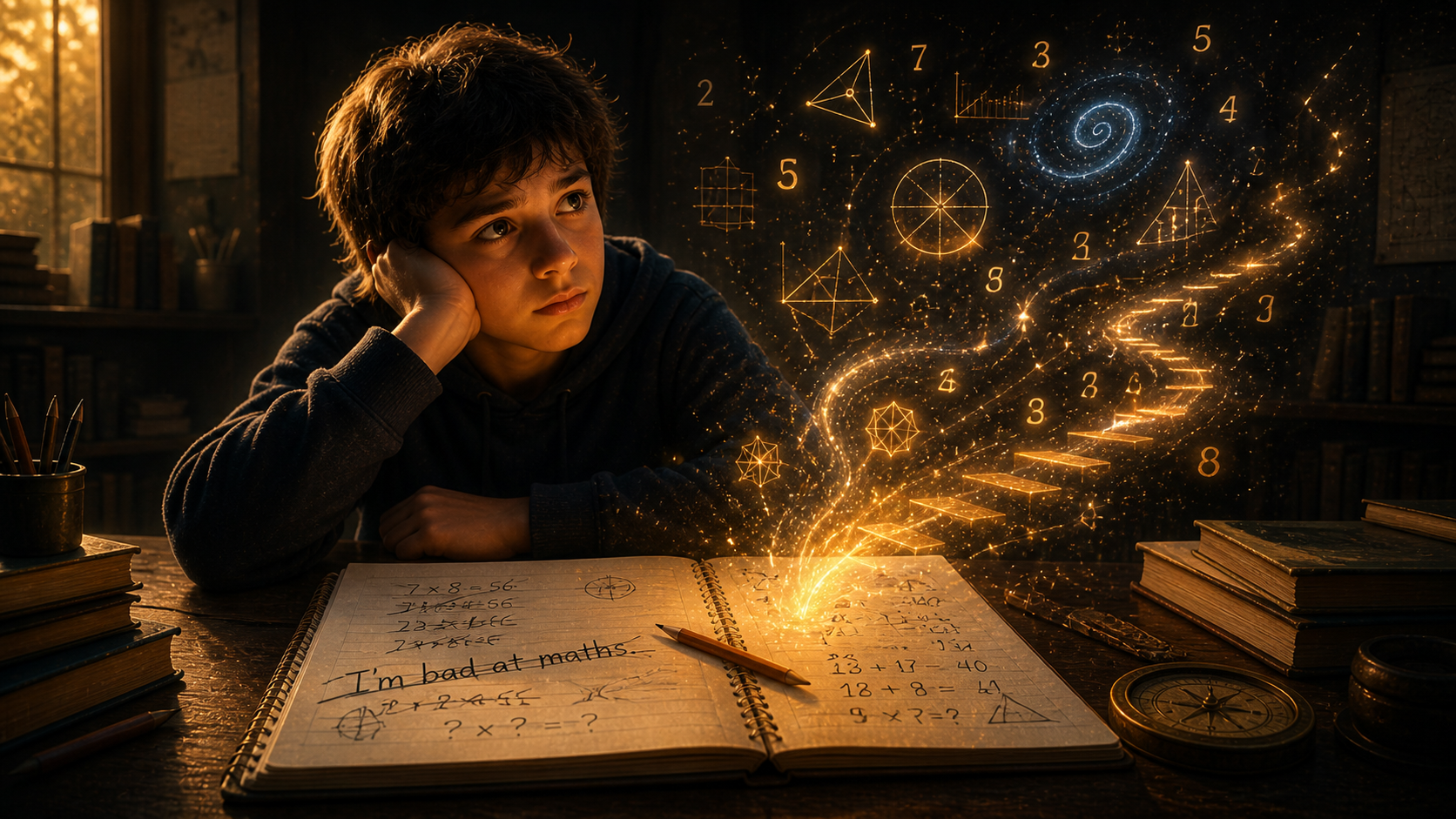
The Problem With Saying “I’m Bad at Maths
Why this matters in Mathatar
This is one of the reasons I wrote Mathatar.
I did not want to write a story about a child who is brilliant at maths and simply proves how clever she is.
I wanted to write about a child who notices, questions, doubts, struggles and keeps going.
Maya is not powerful because she knows every answer.
She is powerful because she pays attention.
She asks whether things make sense.
She sees patterns.
She spots when reality has slipped.
She learns that confusion is not a dead end.
She learns that thinking carefully can be an act of courage.
That, to me, is the heart of maths confidence.
Not speed.
Not perfection.
Not performance.
Courage.
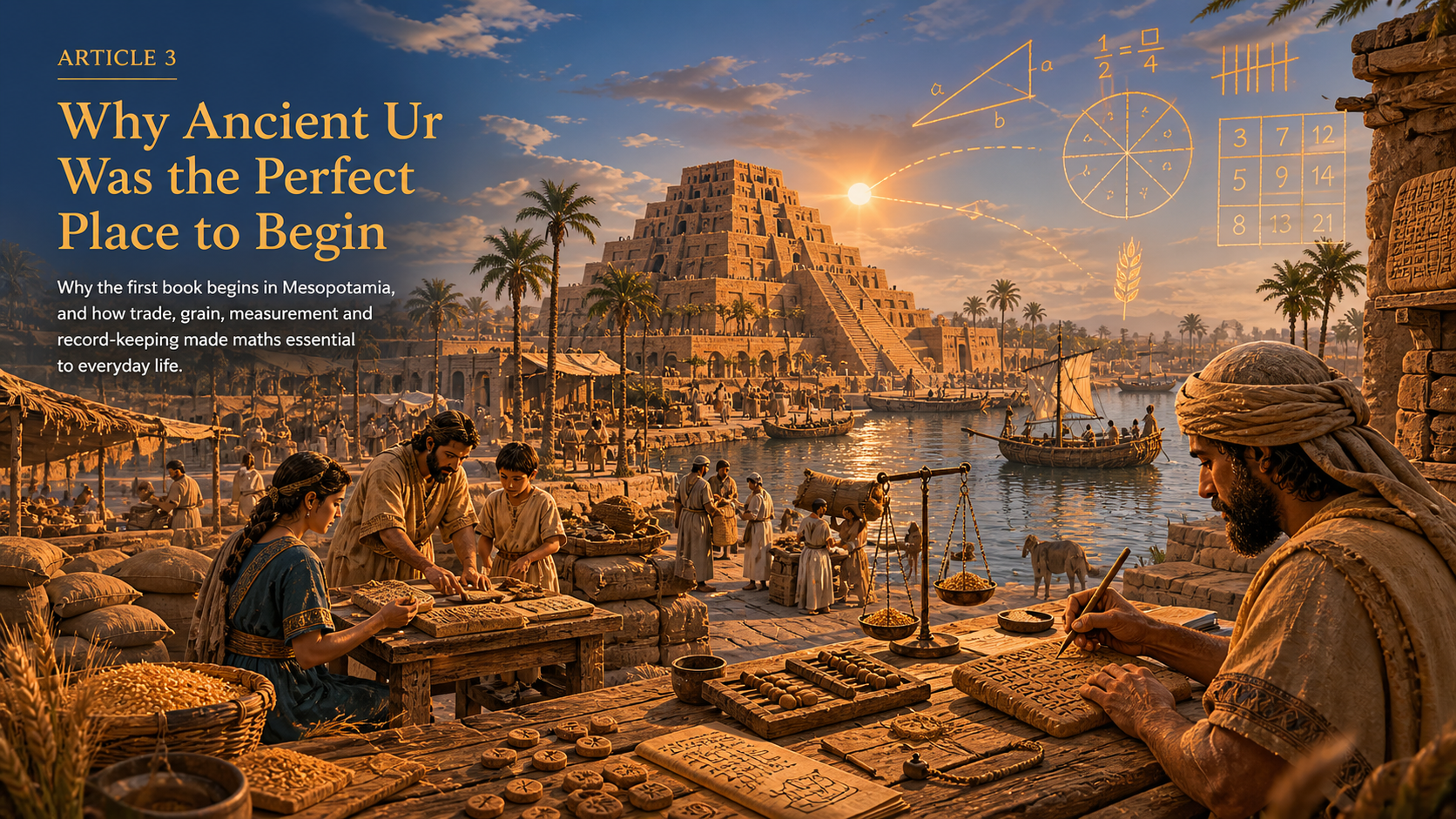
Why Ancient Ur Was the Perfect Place to Begin
Every story needs a doorway.
For Mathatar, that doorway is ancient Ur.
Not because Ur is simply old.
Not because it gives the story sand, temples, markets and dramatic skies.
Not because ancient cities automatically feel mysterious.
Ur was the perfect place to begin because it was a world where maths mattered.
Not as a school subject.
Not as something separate from life.
But as part of ordinary survival.
Grain had to be counted.
Land had to be measured.
Workers had to be paid.
Goods had to be recorded.
Buildings had to stand.
Time, trade, food, labour and trust all depended on people being able to keep track of things.
That made Ur an ideal first stop for Maya.
Because if Mathatar is about what happens when maths begins to slip, then the first journey needed to take readers somewhere maths was visibly holding everyday life together.
Ancient Ur gave me exactly that.
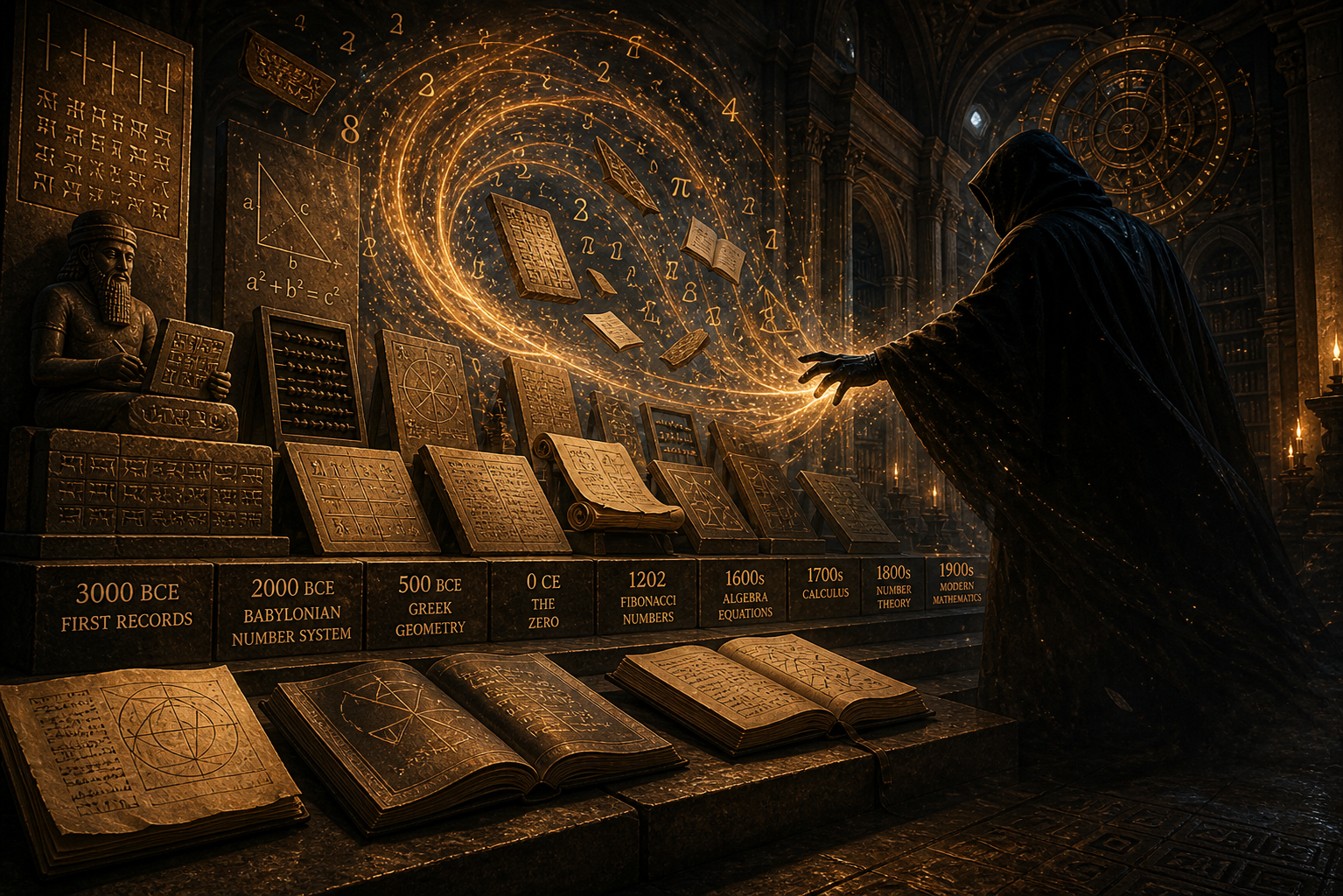
What is a Mathslip?
What Is a Mathslip?
A mathslip begins as something small.
So small, in fact, that you might not notice it at first.
A number changes.
A decimal point moves.
A shape does not quite close.
A pattern skips a beat.
A measurement stops making sense.
One moment, everything feels normal.
The next, the world has gone slightly wrong.
That is a mathslip.
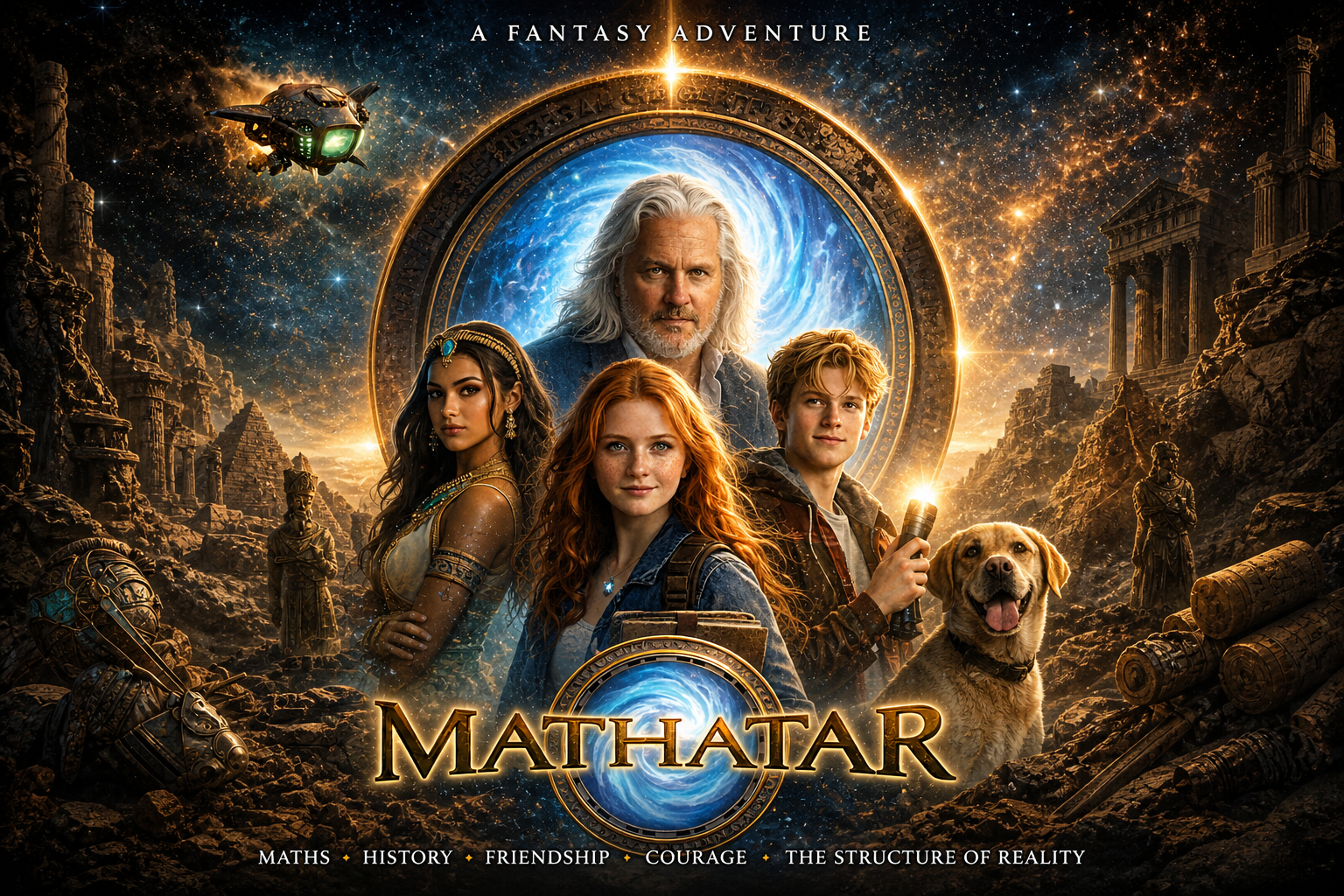
Why I Wrote Mathatar
Why I Wrote a Story Where Maths Holds Reality Together
Summary: The origin story of Mathatar, why maths needed to feel magical without becoming magic, and how the concept of mathslips emerged.